Immigrant Workers Have Full Wage Rights Too: What the FLSA Guarantees Regardless of Status

Immigrant Workers Have Full Wage Rights Too: What the FLSA Guarantees Regardless of Status
If you worked, you earned it. The Fair Labor Standards Act applies to workers in the United States regardless of immigration status. Minimum wage, overtime, recordkeeping, and protection from retaliation generally apply to covered workers whether they are documented or undocumented, citizens or non-citizens.
That matters because some employers exploit workers’ fear of immigration consequences to avoid paying wages. Federal wage law does not permit that. Here is what immigrant workers should know about their rights and what to do when an employer fails to pay properly.
Key Takeaways
- The FLSA’s minimum wage and overtime protections generally apply regardless of immigration status.
- An employer cannot use immigration status as a defense to wage theft for work the employee actually performed.
- The FLSA prohibits retaliation against workers who assert their wage rights, including certain immigration-related threats.
- Victims of certain workplace crimes or labor trafficking may also qualify for U-visa or T-visa relief.
- Workers who prevail on FLSA claims may recover unpaid wages, liquidated damages, and attorney’s fees regardless of immigration status.
The FLSA Covers Workers Regardless of Immigration Status
The FLSA defines an employee broadly as “any individual employed by an employer,” and defines “employ” to include suffering or permitting someone to work. The statute does not condition those protections on citizenship, immigration status, or work authorization.
The U.S. Department of Labor has consistently interpreted the FLSA to cover workers regardless of immigration status, and federal courts have repeatedly agreed.
“Employee” means “any individual employed by an employer.”
“Employ” includes “to suffer or permit to work.”
Nothing in these definitions creates an immigration-status exception to the FLSA’s wage protections.
What Courts Have Said
Federal appellate courts have directly held that undocumented workers may recover unpaid wages under the FLSA. In Patel v. Quality Inn South, 846 F.2d 700 (11th Cir. 1988), the Eleventh Circuit held that undocumented workers could recover minimum wage and overtime. The court explained that excluding them would encourage employers to hire and exploit workers while avoiding wage laws.
The Eighth Circuit reached the same conclusion in Lucas v. Jerusalem Café, LLC, 721 F.3d 927 (8th Cir. 2013), holding that immigration status does not prevent a worker from recovering unpaid FLSA wages. The Eleventh Circuit reaffirmed that principle in Lamonica v. Safe Hurricane Shutters, Inc., 711 F.3d 1299 (11th Cir. 2013).
The Hoffman Plastic Misunderstanding
Employers sometimes cite Hoffman Plastic Compounds, Inc. v. NLRB, 535 U.S. 137 (2002), to argue that undocumented workers cannot recover wages. That is an important distinction to understand.
Hoffman Plastic involved an NLRB remedy for wages the worker would have earned in the future after an unlawful termination. It did not hold that an employer can refuse to pay wages for work an employee actually performed. FLSA wage claims concern compensation for work already performed, and courts have repeatedly distinguished those claims from the remedy addressed in Hoffman Plastic.
What Wage Rights Does the FLSA Protect?
Covered workers generally have the right to:
- Minimum wage of at least the federal rate, or a higher applicable state or local rate.
- Overtime pay at one-and-one-half times the regular rate for hours worked over 40 in a workweek.
- Pay for all compensable work, including required setup, cleanup, meetings, training, and other work performed off the clock.
- Tips where applicable, subject to the FLSA’s rules governing tip retention and tip credits.
- Accurate wage and hour records.
- Protection from retaliation for asserting wage rights.
State and local laws may provide additional protections, including higher minimum wages, longer filing periods, and additional damages.
Common Wage-Theft Problems for Immigrant Workers
Below-Minimum-Wage Pay
An employer may pay a flat daily or weekly amount that, when divided by the actual hours worked, falls below the applicable minimum wage. Calling the payment a “salary” or flat rate does not automatically make the arrangement lawful.
No Overtime
A worker may regularly work 50, 60, or 70 hours but receive straight-time pay for every hour. Paying a flat amount also does not automatically eliminate overtime rights.
Off-the-Clock Work
Required setup, cleanup, meetings, training, or work performed from home generally counts as compensable time. An employer cannot avoid overtime simply by keeping those hours off the timecard.
Stolen Tips
In restaurants, hotels, and other tipped workplaces, employers may violate federal law by keeping workers’ tips, improperly distributing tips to managers, or improperly taking a tip credit.
Cash or “Under the Table” Pay
Being paid in cash does not eliminate wage rights. Workers should keep their own records of hours, pay, schedules, and duties when employer records are missing or inaccurate.
Independent-Contractor Misclassification
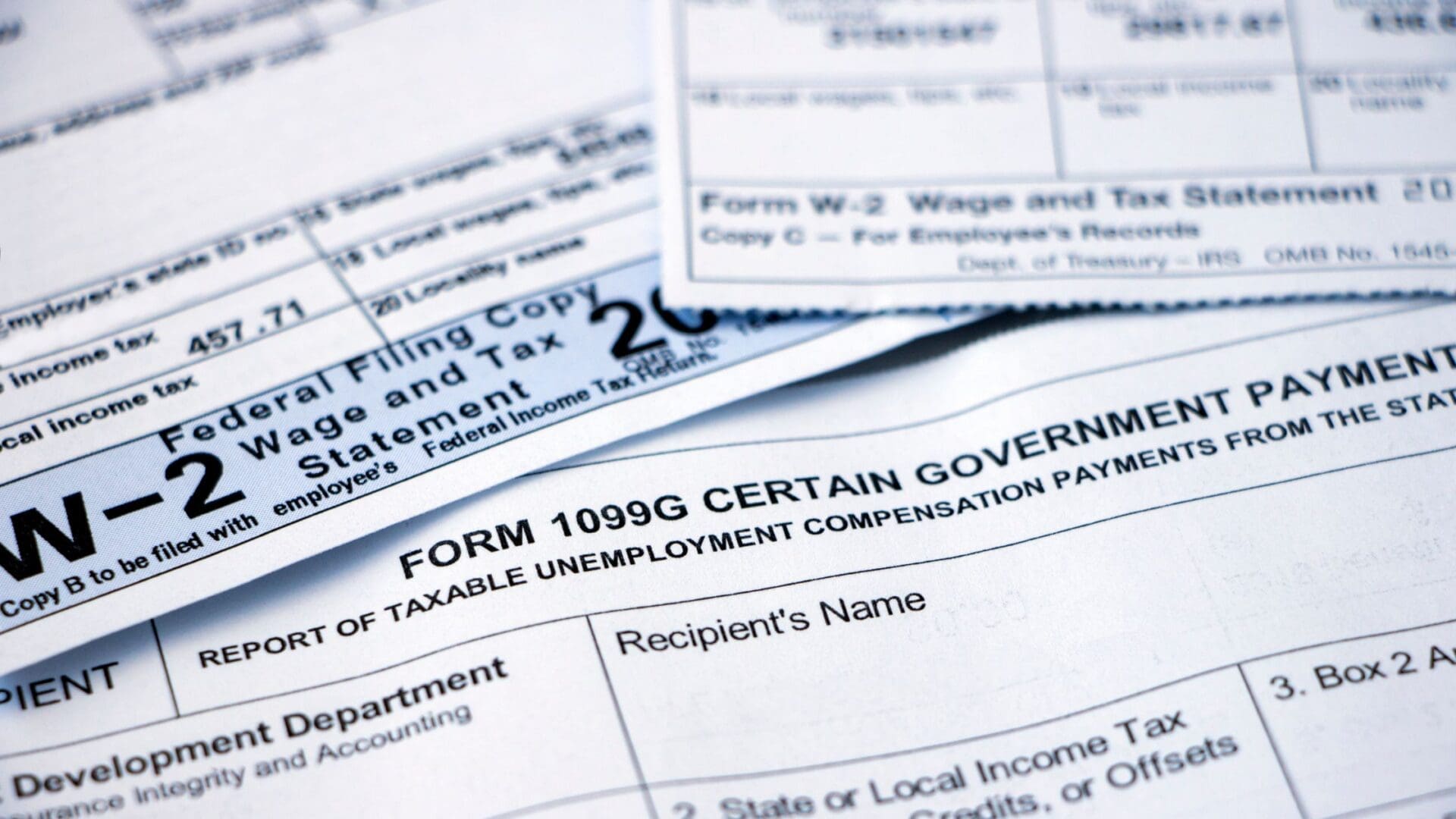
An employer cannot eliminate FLSA protections simply by calling someone a “contractor” or issuing a 1099. Whether a worker is an employee depends on the actual economic relationship, not merely the label.
Illegal Deductions
Deductions for items such as uniforms, tools, transportation, housing, or other expenses can create a minimum-wage violation when they reduce the worker’s effective pay below the legal minimum.
Retaliation and Immigration Threats
Section 215(a)(3) of the FLSA prohibits employers from firing, demoting, or otherwise discriminating against workers because they complained about wages, filed an FLSA proceeding, cooperated with an investigation, or otherwise asserted protected rights.
Immigration-related intimidation can be particularly serious. An employer that threatens to contact immigration authorities because a worker complained about unpaid wages may face a separate retaliation claim. State laws may provide additional protections and remedies.
The FLSA prohibits an employer from discharging or otherwise discriminating against an employee because the employee has filed a complaint or instituted a proceeding under the Act.
Workers should document immigration-related threats carefully, including the date, exact words used, and any witnesses.
U-Visas and T-Visas May Be Separate Options
Some workers who experience serious workplace exploitation may also qualify for immigration relief. These remedies are separate from a wage claim.
- U-visas may be available to victims of qualifying crimes, including certain forms of extortion, blackmail, witness tampering, and related offenses, when statutory requirements are met.
- T-visas may be available to victims of severe forms of human trafficking, including certain labor-trafficking situations involving coercion, threats, or abuse of legal process.
Eligibility is highly fact-specific. Workers concerned about immigration consequences should consider consulting an immigration attorney in addition to an employment attorney.
What You May Be Able to Recover
A successful FLSA wage claim may result in:
- Unpaid back wages for the applicable limitations period.
- Liquidated damages equal to unpaid wages in many FLSA cases.
- Attorney’s fees and court costs when the worker prevails.
- Additional remedies for retaliation, which may include lost wages, reinstatement, and other damages depending on the claim.
State laws may provide additional damages, penalties, longer limitations periods, or other remedies. The amount any individual worker may recover depends on the facts of the case.
Several restaurant workers are paid below minimum wage and receive no overtime despite working more than 40 hours per week. The employer argues that the FLSA does not protect undocumented workers. That argument is contrary to the holdings of federal appellate courts such as Lucas v. Jerusalem Café. The workers may pursue unpaid wages and other available remedies regardless of immigration status.
Time Limits Matter
Federal FLSA claims generally must be brought within two years of a violation, or three years for willful violations. State law deadlines vary and may provide longer periods or additional claims. Texas Payday Law claims filed through the Texas Workforce Commission generally have a 180-day deadline, while FLSA deadlines apply separately.
Because every day can affect the amount of wages that remain recoverable, workers should not wait to investigate a potential claim.
What to Do If You Have Not Been Paid Properly
Keep your own records. Write down your daily start and end times, breaks, duties, supervisors, and amount paid. A notebook, phone app, or calendar can help establish a consistent record.
Save everything from the employer. Keep pay stubs, checks, cash-payment records, schedules, texts, emails, and other communications about your work or pay.
Document threats. If anyone threatens to contact immigration authorities, fire you, or otherwise punish you because you complained about wages, record the date, exact language, and witnesses.
Talk with coworkers. If multiple workers experienced the same wage problem, the claims may involve more than one employee and could potentially proceed together.
Consult a wage and hour attorney. Many employment attorneys handle wage cases on a contingency-fee basis. If immigration concerns are involved, an employment attorney may also help connect you with an immigration attorney who can evaluate U-visa, T-visa, or other options.
You Earned It. Immigration Status Does Not Erase Your Wage Rights.
The FLSA protects workers regardless of immigration status. Employers generally cannot use a worker’s status to avoid paying minimum wage, overtime, or other compensation for work actually performed. Nor can employers retaliate against workers for asserting their wage rights.
If you have been underpaid, denied overtime, required to work off the clock, or threatened with immigration consequences after raising wage concerns, you may have a claim for unpaid wages and additional damages. The facts of each case matter, and state law may provide additional protections.
Josephson Dunlap, Lawyers for the Workers®, represents employees nationwide in wage and hour matters and welcomes consultations from immigrant workers regardless of status. Consultations are confidential and offered at no cost. Our team includes Spanish-speaking staff.
Sources
- 29 U.S.C. § 203 / FLSA Definitions of “Employee” and “Employ”(opens in new tab)
- 29 U.S.C. § 206 / Federal Minimum Wage(opens in new tab)
- 29 U.S.C. § 207 / FLSA Overtime Compensation(opens in new tab)
- 29 U.S.C. § 215(a)(3) / FLSA Anti-Retaliation Provision(opens in new tab)
- 29 U.S.C. § 216(b) / Damages, Liquidated Damages, and Attorney’s Fees(opens in new tab)
- 29 U.S.C. § 255(a) / Statute of Limitations for FLSA Claims(opens in new tab)
- Hoffman Plastic Compounds, Inc. v. NLRB, 535 U.S. 137 (2002)(opens in new tab)
- U.S. Department of Labor / Fair Labor Standards Act Overview(opens in new tab)
- USCIS / U-Visa Information for Victims of Criminal Activity(opens in new tab)
- USCIS / T-Visa Information for Victims of Human Trafficking(opens in new tab)