
Waiting Time Penalties: What California, Oregon, and Other States Require When You Don’t Get Your Final Paycheck
Waiting Time Penalties: What California, Oregon, and Other States Require When You Don’t Get Your Final Paycheck
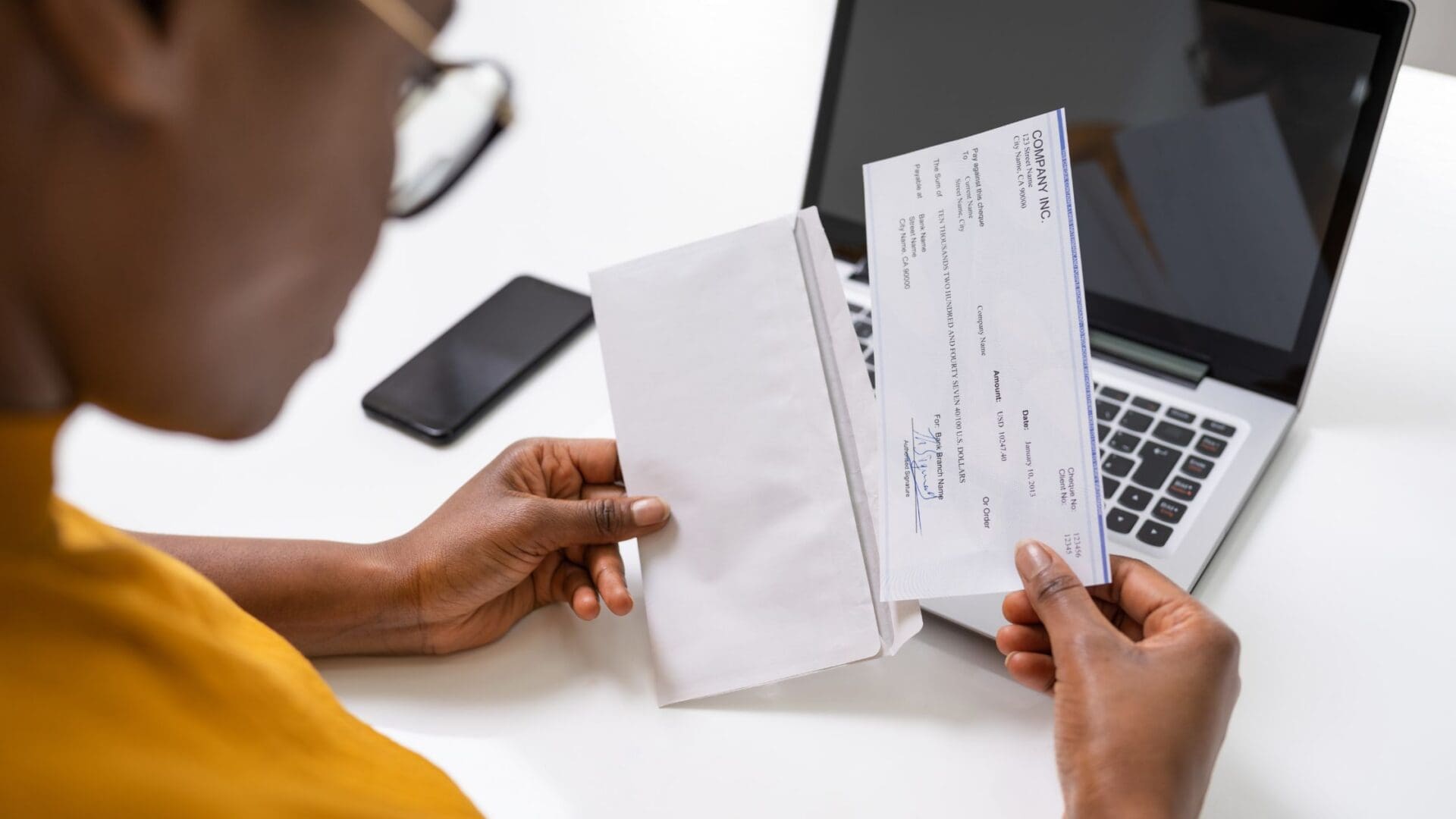
You quit your job on Friday. Your employer says your final paycheck will arrive “in a couple of weeks.” A month later, it still has not arrived. In some states, that delay may cost more than the wages originally owed. Waiting time penalties, sometimes called late paycheck penalties, may require extra wages for each day a final paycheck is late, often up to a set limit. The rules depend on state law, how the job ended, and whether the failure to pay was considered willful.
Key Takeaways
- Federal law generally requires final wages by the next regular payday, but many states impose stricter deadlines.
- California Labor Code § 203 may allow one day of wages for each late day, up to 30 days.
- Oregon law may also allow up to 30 days of wages as a penalty for delayed final pay.
- Other states, including Colorado, Massachusetts, Illinois, New York, and Nevada, have their own final paycheck rules.
- The amount a worker may recover depends on the state, the facts, and the wages owed.
Why Waiting Time Penalties Exist
Workers often rely on final paychecks to cover rent, utilities, medical bills, and other expenses after a job ends. Because delayed wages can create serious financial pressure, some states make late payment costly for employers.
Federal law under the FLSA generally requires wages to be paid by the next regular payday after separation.
State law often controls the stricter deadline. The state where the work was performed may determine the final paycheck rule.
Federal Law: The Baseline
The Fair Labor Standards Act does not usually require immediate final payment when employment ends. Instead, federal law generally requires payment by the next regular payday. Workers may still have FLSA claims when the final check leaves out unpaid overtime, minimum wages, or other covered compensation.
The FLSA also does not usually prevent states from applying stricter final paycheck laws. A worker may have both federal wage claims and state waiting time penalty claims, depending on the facts.
California: Strong Final Paycheck Protections
California has some of the strongest final paycheck rules in the country. Under Labor Code §§ 201 and 202, the deadline depends on whether the employee was fired, laid off, or resigned.
Employees Who Are Fired or Laid Off
When an employer discharges an employee, California generally requires all wages owed to be paid immediately at termination. This may include unpaid wages, overtime, and unused accrued vacation.
Employees Who Resign
An employee who resigns with at least 72 hours of notice generally must receive final wages on the last day of work. Without 72 hours of notice, final wages generally must be paid within 72 hours after resignation.
The Waiting Time Penalty Under § 203
California Labor Code § 203 may impose a penalty equal to one day of wages for each day final wages are late, up to 30 days. A full-time worker earning $200 per day may have a potential penalty of up to $6,000 when a qualifying violation lasts 30 days.
The penalty may apply even when the unpaid amount is small, provided the legal requirements are met. The result often turns on willfulness, the wages owed, and the employer’s explanation.
Oregon: Strong Protection for Terminated Workers
Oregon also has strong final paycheck rules under ORS 652.140 and 652.150. As in California, the deadline depends on how the job ended.
Employees Who Are Fired or Laid Off
When an employer terminates an employee, Oregon generally requires final wages by the end of the first business day after discharge.
Employees Who Resign
Employees who resign with at least 48 hours of notice generally must be paid on the last day of employment. Without that notice, final wages are generally due within five business days or on the next regular payday, whichever comes first.
Oregon Waiting Time Penalty
Under ORS 652.150, an employer that willfully fails to pay final wages on time may owe eight hours of wages per day, up to 30 days. A worker earning $20 per hour may have a potential penalty of up to $4,800, plus the wages owed. Attorney’s fees may also be available.
Other States With Notable Final Paycheck Rules
Many states have their own final paycheck deadlines and penalties. The rules vary, but several states provide additional remedies when employers delay final wages.
Colorado
Colorado generally requires final wages to terminated employees immediately. Employees who resign are typically owed final wages by the next regular payday. Penalties may apply when wages are not paid after a proper demand.
Massachusetts
Massachusetts generally requires final wages on the day of discharge. Employees who resign are usually owed final wages by the next regular payday. Wage Act violations may result in mandatory triple damages.
Illinois
Illinois generally requires final wages by the next regular payday. Workers may be able to recover unpaid wages, penalties, interest, and attorney’s fees.
New York
New York generally requires final wages by the next regular payday. New York also provides a six-year limitations period for many wage claims.
Nevada
Nevada generally requires final wages within three days when an employee is terminated. When an employee resigns, final wages are typically due by the next regular payday or within seven days, whichever comes first.
What “Willful” Failure to Pay May Mean
Some waiting time penalty statutes require a willful failure to pay. In this context, willful often does not require proof that the employer intended to harm the worker. Courts may find willfulness when an employer knew or should have known wages were owed but failed to pay them on time.
A genuine good-faith dispute may affect whether penalties apply. Payroll confusion or administrative delay may not be enough to avoid liability in some states.
A restaurant server in Los Angeles quits after giving five days of notice. Her employer generally must pay final wages, including accrued vacation where applicable, on her last day. A three-week delay may support a waiting time penalty claim, depending on the reason for the delay.
An Oregon construction worker is laid off on a Monday. His employer generally must pay final wages by the end of the next business day. A 40-day delay may support a penalty claim under ORS 652.150, subject to the statute’s requirements and any defenses.
What You May Be Able to Recover
Workers who prevail on final paycheck and waiting time penalty claims may recover:
- Unpaid final wages, including regular pay, overtime, and, in some states, accrued vacation.
- Waiting time penalties, which may reach up to 30 days of wages in California and Oregon.
- Attorney’s fees and court costs, where allowed by statute.
- Interest and other statutory remedies where available.
FLSA claims for unpaid overtime or minimum wages may proceed separately from state final paycheck claims. In some cases, late final paycheck practices may affect multiple workers and support collective or class claims. The value of any claim still depends on the facts, the state law involved, and the amount owed.
Time Limits
Time limits vary by state. California generally allows three years for waiting time penalty claims under § 203, with some claims potentially extending longer under other legal theories. Oregon wage claims may have a longer limitations period. Texas Payday Law claims generally must be filed with the Texas Workforce Commission within 180 days. FLSA claims usually have a two-year limitations period, or three years for willful violations.
What to Do If Your Final Paycheck Is Late
Document When You Separated
Write down the date your employment ended and whether you were terminated, laid off, or resigned. Save termination letters, resignation notices, texts, and emails.
Save Communications About Final Pay
Keep every message about your final paycheck. Note the date of any phone call and what was said.
Review What You Are Owed
Check your final pay stub for missing regular wages, overtime, bonuses, commissions, deductions, or accrued vacation where state law treats it as wages.
Talk With an Attorney
Because final paycheck laws vary by state, it may be worth speaking with a wage and hour attorney familiar with the rules where you worked.
Your Final Paycheck Has a Deadline. So Do the Penalties.
Federal law sets the baseline, but many states impose stricter final paycheck deadlines and penalties. A delayed final paycheck, underpaid last check, or unpaid accrued vacation balance may give a worker the right to seek unpaid wages, waiting time penalties, interest, attorney’s fees, or other remedies. The available claims depend on the facts and the law of the state involved.
Josephson Dunlap, Lawyers for the Workers®, represents employees nationwide in wage and hour matters, including cases involving final paycheck violations and waiting time penalties. We offer confidential case evaluations at no cost.
Sources
- 29 U.S.C. § 206 / FLSA Minimum Wage(opens in new tab)
- 29 U.S.C. § 207 / FLSA Overtime Compensation(opens in new tab)
- 29 U.S.C. § 216(b) / Damages, Liquidated Damages, and Attorney’s Fees(opens in new tab)
- 29 U.S.C. § 255(a) / Statute of Limitations for FLSA Claims(opens in new tab)
- California Department of Industrial Relations / How to File a Wage Claim(opens in new tab)
- New York State Department of Labor / Wage and Hour Laws(opens in new tab)
- Massachusetts Attorney General / Wage and Hour Laws(opens in new tab)
- Colorado Department of Labor and Employment / Wage and Hour Laws(opens in new tab)
- U.S. Department of Labor / Fair Labor Standards Act Overview(opens in new tab)