How to Calculate and Recover Back Wages Owed to You

What Is Back Pay?
Back pay is money your employer owed you but did not pay. It covers the gap between what you should have earned and what you actually received.
Back pay is not just about overtime. It can come from several types of violations, including unpaid minimum wage, missed meal break premiums, off-the-clock work, incorrect overtime calculations, and withheld commissions or bonuses.
The total amount you can recover depends on the type of violation, how long it went on, whether your employer acted willfully, and which law covers your claim.
Key Takeaways
- Back pay is the difference between what you were owed and what you were actually paid.
- Overtime back pay depends on your true regular rate, which includes more than just your base hourly wage.
- If your employer’s violation was willful, you may recover double the unpaid amount in liquidated damages.
- You have two years to file most FLSA claims, or three years for willful violations.
- Employers must keep payroll records for at least three years. Missing records work against them, not you.
What Types of Wages Make Up Back Pay?
Not all back pay calculations look the same. Different violations are calculated differently.
Unpaid Overtime
This is the most common type of back pay claim. If you worked more than 40 hours in a week and did not receive 1.5 times your regular rate for those extra hours, you are owed overtime back pay. The amount owed is the difference between what you were paid and what the correct overtime rate requires.
Minimum Wage Shortfalls
If your employer paid you less than the applicable minimum wage for any hour worked, the difference for every underpaid hour is owed as back pay. This includes hourly workers and, in some cases, tipped employees whose tips did not bring their total pay up to the minimum wage floor.
Off-the-Clock Work
Time your employer knew you were working but did not record or pay is compensable. This includes pre-shift prep, post-shift duties, security screenings, and work done during unpaid breaks. Each uncompensated hour adds to your back pay total.
Withheld Commissions, Bonuses, and Vacation Pay
Earned commissions and non-discretionary bonuses are wages. If your employer promised them and did not pay them, they are part of your back pay. In many states, accrued vacation is also treated as earned wages and must be paid out on separation.
How to Calculate Overtime Back Pay
The basic formula is straightforward. Take the overtime rate you should have been paid, subtract what you were actually paid, then multiply by the number of overtime hours affected.
Step 1: Find your correct overtime rate (regular rate × 1.5)
Step 2: Subtract the rate you were actually paid per overtime hour
Step 3: Multiply the difference by the number of overtime hours owed
Step 4: Repeat for each pay period in the back pay window
Example: Your regular rate is $20/hr. Your overtime rate should be $30/hr. Your employer paid you $20/hr straight time for 5 overtime hours each week for 52 weeks. You are owed $10 × 5 × 52 = $2,600 in overtime back pay.
Your “Regular Rate” Is Probably Higher Than You Think
This is one of the most common calculation errors. Many employers calculate overtime on base pay alone. That is often wrong.
Under the FLSA, your regular rate includes most forms of compensation you receive. That means nondiscretionary bonuses, shift differentials, commissions, and piece-rate pay all factor into your regular rate. The regular rate must be recalculated for any week in which those additional payments were earned.
If your employer paid you a $500 production bonus in a week where you also worked overtime, that bonus changes your regular rate for that week. Overtime back pay based on just your hourly rate would undercount what you are owed.
Example: You earn $18/hr and received a $400 nondiscretionary bonus in a week where you worked 48 hours. Your employer calculated overtime at $27/hr (1.5 × $18). But your actual regular rate for that week was higher because the bonus must be included. Your true regular rate was $18 + ($400 ÷ 48 hours) = $26.33/hr. Your overtime rate should have been $39.50/hr, not $27. Every week with a bonus and overtime may have been underpaid.
Liquidated Damages: When You May Recover Double
Back pay is not always the full picture. Under the FLSA, courts can award liquidated damages equal to the total unpaid wages. That means you may recover twice what you were shorted.
Liquidated damages are automatic unless the employer can prove they acted in good faith and had a reasonable belief that their pay practices were legal. That is a difficult standard to meet. In most wage cases, workers receive both back pay and an equal amount in liquidated damages.
Some states go even further. New Jersey allows liquidated damages up to 200% of unpaid wages. California provides separate penalty payments in addition to back wages. The total you can recover depends on which laws apply to your situation.
How Far Back Can You Recover Wages?
The FLSA gives you two years from each violation to file a claim. If your employer’s violation was willful, that window extends to three years.
Every week of underpayment has its own deadline. The two or three years run from the date each violation occurred, not from when you left the job. So if you were underpaid for three years running, the oldest violations may have expired even if recent ones have not.
State laws can extend the window further. Illinois allows up to five years under the Wage Payment and Collection Act. New Jersey gives workers six years. New York provides three years. If your state has a longer window than the FLSA, your attorney can use whichever law benefits you most.
What Records Do You Need?
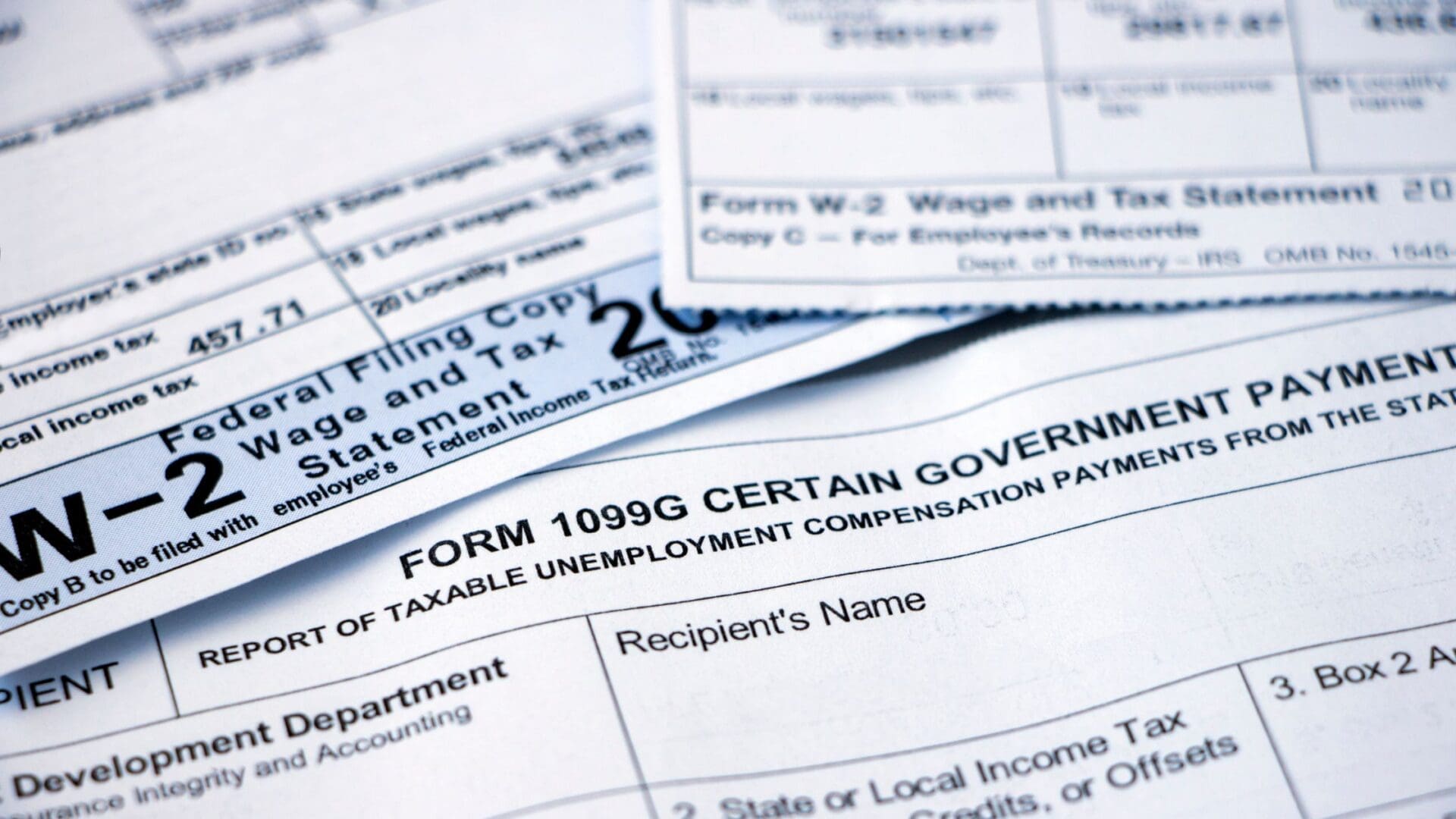
The more records you have, the easier it is to calculate your claim precisely. But you do not need everything. Federal law requires employers to keep payroll records for at least three years. If your employer cannot produce accurate records, that works in your favor.
Gather what you can before reaching out:
- Pay stubs and direct deposit records for any period you believe you were underpaid
- Your own notes, texts, emails, or schedules showing hours worked
- Any written agreements about your pay rate, bonuses, or commissions
- Records of any additional pay you received, including per diems, reimbursements, or bonuses
Even partial records are enough to start a case. An attorney can subpoena your employer’s time and payroll records during litigation.
Estimate Your Back Pay Now
You can get a rough estimate of what you may be owed using the Josephson Dunlap overtime calculator. It walks you through your hourly rate, hours worked, and pay period to give you a starting number.
Keep in mind a calculator gives you a baseline. It does not account for bonus-adjusted regular rates, liquidated damages, state law multipliers, or multi-year totals across different pay periods. An attorney can calculate the full amount.