No Tax on Overtime: What the New Law Means for You!

The One Big Beautiful Bill Act, signed July 4, 2025, created a federal income tax deduction for overtime workers. The law applies to wages earned from January 1, 2025 through December 31, 2028. If you worked overtime and did not know about this tax break, you may have left money on the table when you filed your 2025 taxes.
Key Takeaways
- The OBBBA created a federal tax deduction for overtime workers covering wages earned January 1, 2025 through December 31, 2028.
- The deduction applies only to the “premium” half of time-and-a-half. Your base hourly rate for overtime hours is still taxed.
- Single filers can deduct up to $12,500. Joint filers can deduct up to $25,000. The deduction phases out above $150,000 for single filers and $300,000 for joint filers.
- You can take this tax break whether or not you list your breaks. It is an above-the-line deduction claimed on Schedule 1-A of Form 1040.
- Social Security and Medicare taxes still apply to overtime pay. Most states have not adopted the federal deduction. Check your state’s rules.
- If your employer did not pay your overtime correctly, you cannot claim it on wages you never received. You may also be owed back pay.
What the Law Actually Does
The name “no tax on overtime” is a shorthand. The law does not make all overtime pay tax-free. What it does is allow workers who qualify to deduct the overtime premium from their federal taxable pay. The premium is the extra half in “time-and-a-half.” The base rate for those overtime hours is still fully taxed.
Here is how that works in practice. Say you earn $20 per hour and your overtime rate is $30 per hour. You work 10 overtime hours. Your total overtime pay is $300. But only $100 of that qualifies for the deduction. That is the premium: $10 per hour times 10 hours. The other $200, which is just your regular $20 rate applied to those 10 hours, is taxed the same as any other wage.
The deduction covers the portion of overtime pay that exceeds the worker’s regular rate of pay. This is the “half” in time-and-a-half that the FLSA requires for hours past 40 in a workweek.
Only overtime that is required by the Fair Labor Standards Act qualifies. Overtime your employer pays on their own above federal law, overtime under state law only, or overtime required by a union contract may not qualify. Check IRS Notice 2025-69 for details.
Who Qualifies
To claim it, you must meet all of the following:
- You received FLSA-required overtime pay during the tax year
- You are a W-2 worker (contractors are not allowed under the FLSA overtime deduction)
- You have a valid Social Security number
- If married, you must file jointly. Married filing on its own is not allowed
- Your income does not exceed the phase-out limit for your filing status
The phase-out starts at $150,000 of total income for single filers and $300,000 for joint filers. Above those levels, this is reduced and may phase out entirely at higher incomes.
How Much You Can Deduct
The cap is $12,500 per year for single filers and $25,000 for married couples filing jointly. For most hourly workers who earn overtime regularly, the actual premium amount will fall well below these caps. The limit is most likely to be a factor for workers in higher-wage jobs who put in a significant number of overtime hours.
If both spouses in a joint filing worked overtime, each spouse’s qualified overtime is counted toward the joint $25,000 cap. Both must have valid Social Security numbers on the return.
How to Claim It
This is claimed on Schedule 1-A of your Form 1040. This is a new form the IRS created for tax breaks added by the OBBBA. You do not need to list your breaks to use it. The deduction reduces your income regardless of whether you take the standard deduction or list your breaks.
For Tax Year 2025
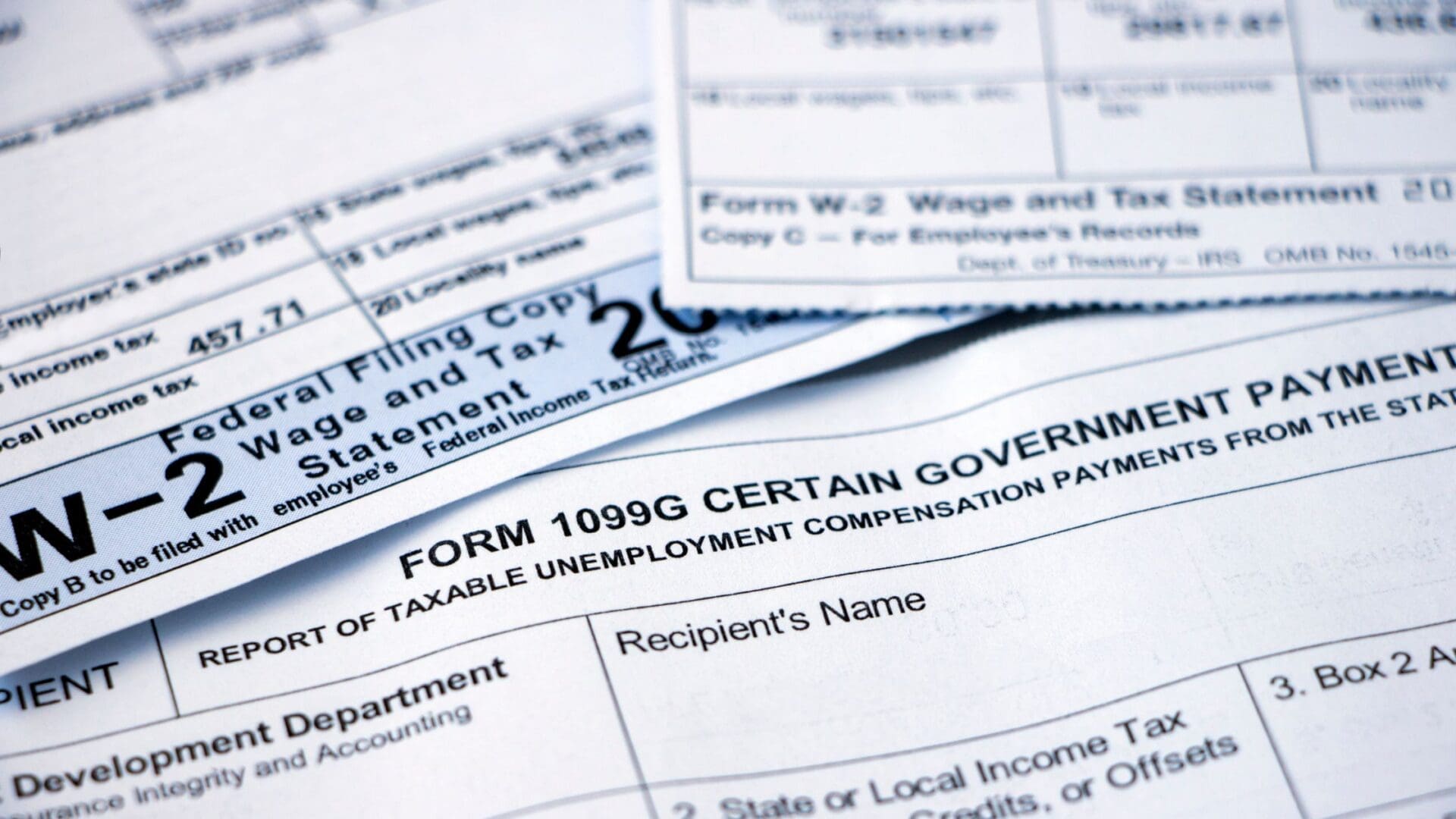
For 2025, employers were not required to on its own report your qualified overtime on your W-2. The law passed mid-year and the IRS named 2025 as a change period. Your employer may have used Box 14 on your W-2 to on their own report the figure, labeled something like “QUAL OT.” If nothing appears, you can calculate the deductible amount yourself using your pay stubs and the IRS safe harbor method in Notice 2025-69, or with help from a tax professional.
For Tax Year 2026 and Later
Starting with 2026 W-2 forms (issued in January 2027), employers must report qualified overtime in Box 12 using the new code “TT.” This will make the deductible amount visible directly on your W-2. The IRS has also updated Form W-4 for 2026 with a new Section 1b worksheet so workers can adjust their tax held back to reflect expected overtime tax breaks.
What the Deduction Does Not Change
A few things remain the same regardless of this tax break:
- Social Security and Medicare taxes still apply. The deduction only reduces federal tax. FICA taxes on overtime pay are not affected.
- Your paycheck tax held back does not change on its own. Federal income tax will still be held back from overtime pay at the usual rate during the year. This is claimed on your tax return, not through payroll, unless you update your W-4.
- State income taxes likely still apply. Most states have not adopted the federal deduction. Some states that conform their tax code to federal law may follow it, but others have not. Verify your state’s rules with a tax professional or your state tax agency.
No Tax on Tips
The OBBBA also created a deduction for qualified tips. Workers in jobs where tips are customary, such as food service, salons, and similar roles, may deduct up to $25,000 in tip income. The same income phase-out thresholds apply. Like the overtime deduction, it covers only workers who received and kept their tips. If your employer has been taking or pooling tips unlawfully, that is a separate wage claim.
This tax break only helps workers who were actually paid their overtime. If your employer misclassified you as exempt, shaved your hours, or failed to include bonuses in your regular rate when calculating overtime, you were not paid correctly. There is no tax break on wages you never received. But you may be owed those wages as back pay, plus an equal amount in liquidated damages under the FLSA. A wage claim and the tax deduction are separate issues, but both start with the same question: were you paid what the law requires?
Sources
- IRS / What to Know About the No Tax on Overtime Deduction(opens in new tab)
- IRS / Questions and Answers About the Qualified Overtime Deduction(opens in new tab)
- IRS Tax Tip 2026-06 / No Tax on Tips and Overtime(opens in new tab)
- U.S. Department of the Treasury / OBBBA Tax Provisions(opens in new tab)
- U.S. Department of Labor / Fair Labor Standards Act(opens in new tab)