Filing A Wage & Hour Claim in 2026

How to File an Unpaid Wages Claim
Your employer owes you money for unpaid overtime, work off the clock, or a final paycheck that never came. You have three main paths to recover it: file with the federal Department of Labor, file with your state labor agency, or file a private lawsuit. This guide covers the steps, deadlines, and what each path offers.
Key Points
- Federal FLSA claims must be filed within 2 years (3 years for willful violations). State deadlines vary from 180 days to 6 years.
- Federal complaints are free and confidential. Your employer will not be told your name.
- Retaliation for filing a complaint is illegal under federal law.
- DOL investigations result in back pay only. As of June 2025, the DOL does not seek liquidated damages in settlements.
- Private lawsuits allow recovery of back pay, liquidated damages (equal to back pay), attorney’s fees, and court costs.
Step 01
Gather Documents and Set a Deadline
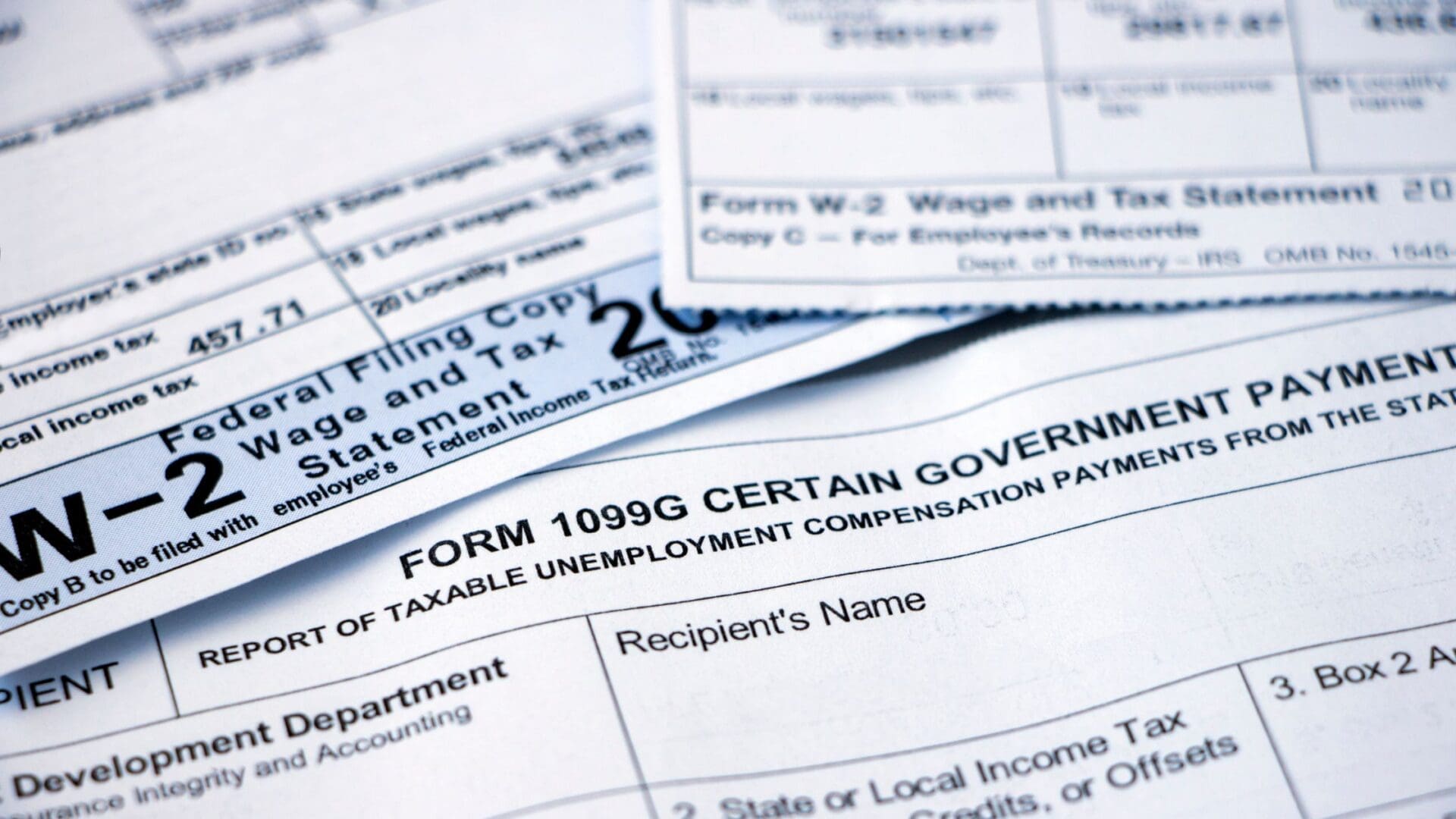
Collect everything that supports your claim: pay stubs, time records, emails about hours or pay, employment contracts, offer letters, tax forms (W-2 or 1099), and your own written log of hours and pay. If your employer’s records are incomplete or inaccurate, write down what you remember as soon as possible.
Estimate how much you’re owed. Unpaid overtime is calculated at your regular hourly rate for hours over 40 per week, multiplied by 1.5. Off-the-clock work is your regular hourly rate for all unpaid hours. Minimum wage shortfalls are the difference between what you were paid and the applicable minimum wage, multiplied by hours worked.
Know your deadline. Under the Fair Labor Standards Act, file FLSA claims within 2 years of the violation (3 years for willful violations). State deadlines vary: Texas has 180 days, California has 3 years, New York has 6 years. Once the deadline passes, you lose the right to recover those wages.
Step 02
Choose Your Path
Path A: U.S. Department of Labor (Federal Complaint)
The Wage and Hour Division investigates violations of the Fair Labor Standards Act including unpaid overtime, minimum wage violations, off-the-clock work, and misclassification.
How to file: Call 1-866-487-9243 or visit the WHD complaints page. Provide your name, contact information, employer details, description of your work, pay rate, dates and hours worked, and an estimate of what you’re owed.
Pros: Free. Confidential. No attorney required. Strong retaliation protections. Investigators have authority to examine employer records.
Important limitation: As of June 2025, WHD no longer pursues liquidated damages in settlements. You recover back pay only. Private litigation offers broader remedies.
Path B: State Labor Agency
Most states maintain a labor department or commissioner’s office for state wage claims.
Texas: File a Payday Law claim with the Texas Workforce Commission within 180 days of the date wages were due. The Payday Law covers timely payment of wages but does not cover overtime or minimum wage violations. For overtime, use federal FLSA process.
California: File with the Labor Commissioner’s Office within 3 years for wage claims under the California Labor Code.
New York: File Form LS223 with the Department of Labor within 6 years under Labor Law Section 663(e).
Pros: Covers state-specific violations. Some states award additional damages for wage statement violations or waiting time. Processing is often faster than federal investigation.
Limitations: Procedures and remedies vary by state. Some states require administrative remedies before private lawsuit is allowed. State agencies do not handle federal FLSA overtime claims.
Path C: Private Lawsuit
File in federal or state court through an attorney. Under the FLSA, a prevailing worker recovers back pay, liquidated damages equal to the back pay (doubling the recovery), attorney’s fees, and court costs. Many wage cases proceed as collective actions (FLSA) or class actions (state law), allowing workers with similar violations to join.
How to file: Consult with an employment attorney who handles wage claims. Many work on contingency – you pay no fees unless you win.
Pros: Strongest option for large claims, group violations, or misclassification. Recovers full range of available damages including attorney’s fees. Contingency arrangements are standard.
Limitations: More complex than agency complaints. Cases take months or years to resolve.
Step 03
Know the Deadlines
FLSA (federal): 2 years from the violation, or 3 years for willful violations (29 U.S.C. Section 255).
Texas Payday Law: 180 days from the date wages were due (not 180 days from filing date, but 180 days from the payday itself).
California: 3 years for violations of minimum wage, overtime, or illegal deductions under California Labor Code.
New York: 6 years under Labor Law Section 663(e).
Step 04
Retaliation Is Illegal
Federal law prohibits employers from firing, demoting, or discriminating against an employee for filing a wage complaint, cooperating with an investigation, or testifying in a wage proceeding. This protection applies whether you file with the DOL, state agency, or private court.
Retaliation itself is a separate violation with its own damages including reinstatement, lost wages, liquidated damages, and attorney’s fees.
It is unlawful for any employer to discharge or discriminate against an employee because the employee has filed a complaint, instituted a proceeding, or testified under the FLSA or in connection with an FLSA investigation.
Step 05
What Happens After Filing
Federal complaint: WHD reviews your complaint and opens an investigation if warranted. Investigators contact the employer for records and may interview you and co-workers. If violations are found, WHD requests payment of back wages. Process typically takes several months.
State agency: The agency reviews your claim, may schedule a hearing, and may issue an order for payment. Timelines vary by state from several months to over a year.
Private lawsuit: The employer is served and must respond within 21 days. Discovery follows (exchange of documents and witness statements). Most cases settle through negotiation or mediation. Unresolved cases proceed to trial, typically taking one or more years.
Step 06
Consider an Attorney Consultation
You do not need a lawyer to file a complaint with the DOL or state agency. Many workers resolve claims without representation. But consulting an attorney offers advantages:
- Identifying the strongest filing forum for your specific situation.
- Recognizing overlapping claims (overtime, off-the-clock, misclassification) that a single agency complaint may not address.
- Evaluating whether a collective or class action would be more effective.
- Pursuing contingency representation with no upfront cost and employer-paid attorney’s fees if you win.
A technician and 20 co-workers were classified as exempt and denied overtime for 3 years. Each may be owed $40,000 to $80,000 in back pay. A private FLSA collective action allows all workers to join, recover back pay plus equal liquidated damages plus attorney’s fees, and address the violation across the entire group. Individual state complaints would not achieve the same result.
What You May Recover
Through the DOL: Back pay for wages owed. Liquidated damages are no longer pursued in settlements as of June 2025.
Through private lawsuit: Back pay, liquidated damages equal to back pay, attorney’s fees, and court costs. State laws may add longer statutes of limitations and additional penalties for wage statement or final paycheck violations.
The actual amount recoverable depends on the specific facts, the applicable law, and the evidence available. Prior outcomes do not guarantee similar results in other cases.
Next Steps
Act promptly. Filing deadlines are strict. Gather what documents you can. Decide whether the DOL, state agency, or private attorney best fits your situation. The strongest wage cases have written records and co-workers who experienced the same violation.
Josephson Dunlap, Lawyers for the Workers, represents employees nationwide in wage and hour matters. We offer confidential case evaluations at no cost. Many wage cases are handled on a contingency-fee basis.
Sources
- U.S. Department of Labor / How to File a Wage and Hour Complaint(opens in new tab)
- U.S. Department of Labor / Fair Labor Standards Act Overview(opens in new tab)
- 29 U.S.C. Section 215(a)(3) / FLSA Anti-Retaliation(opens in new tab)
- 29 U.S.C. Section 216(b) / Damages and Attorney’s Fees(opens in new tab)
- 29 U.S.C. Section 255(a) / Statute of Limitations(opens in new tab)
- Texas Workforce Commission / Texas Payday Law Wage Claim Process(opens in new tab)
- California Department of Industrial Relations / How to File a Wage Claim(opens in new tab)
- New York State Department of Labor / Labor Standards Complaint Process(opens in new tab)