What Is the Portal-to-Portal Act? A Guide to Compensable Hours

Key Takeaways
- The Portal-to-Portal Act of 1947 amended the FLSA to define exactly when an employee’s compensable workday begins and ends.
- It was passed by Congress to relieve employers of massive back-wage liabilities stemming from Supreme Court rulings on walk time.
- The Act drew a sharp line between a worker’s principal activities and their “preliminary” or “postliminary” tasks.
- Under the law, activities like standard commuting are generally unpaid, but prep work vital to the job must be compensated.
- The “continuous workday rule” dictates that once a worker begins their first principal task, the clock runs continuously until they finish their last one.
What Is the Portal-to-Portal Act?
When the Fair Labor Standards Act (FLSA) was passed in 1938, it mandated that employees must be paid for all hours worked. However, the original text left a critical question unanswered: What exactly constitutes “work”? Does the clock start the moment you step onto company property, or only when you actually begin your primary job duties?
To resolve the massive wave of litigation that followed this ambiguity, Congress passed the Portal-to-Portal Act of 1947. This crucial amendment to the FLSA clarified the boundaries of the compensable workday, distinguishing between core job duties and the tasks an employee performs before or after their shift.
The Crisis That Sparked the Legislation
The Portal-to-Portal Act was not a proactive piece of planning; it was an emergency legislative intervention. In the early 1940s, the U.S. Supreme Court issued a series of rulings—most notably Anderson v. Mt. Clemens Pottery Co. (1946)—that deeply alarmed the business community.
The Supreme Court ruled that time spent by factory workers walking from the time clock at the facility gate (the “portal”) to their actual workstations, as well as time spent putting on aprons or prepping tools, counted as compensable working hours under the FLSA.
This triggered an immediate legal crisis. Labor unions filed hundreds of lawsuits demanding billions of dollars in retroactive back pay for “walk time” and prep work across American industry. Fearing that these massive liabilities would bankrupt businesses and disrupt the post-WWII economic recovery, Congress moved swiftly to amend the FLSA, explicitly wiping out those retroactive claims and rewriting the rules for the future.
The Legislative Intent: Congress designed the Portal-to-Portal Act to protect businesses from unexpected financial shock while establishing a clear, standardized framework for what types of travel and preparation time employers are legally required to pay for.
Principal vs. Preliminary and Postliminary Activities
The core mechanism of the Portal-to-Portal Act is the separation of worker activities into two distinct categories. Understanding this division is vital for determining whether an employee is being legally compensated:
- Principal Activities: These are the core duties the employee is hired to perform. They include any tasks that are an “integral and indispensable part” of those principal activities. Principal activities must always be paid.
- Preliminary and Postliminary Activities: These are tasks performed before (preliminary) or after (postliminary) the worker’s principal activities. Examples include checking in at a security gate, standard commuting, or waiting in line to punch a time clock. Under the Act, these activities are generally non-compensable unless required by a contract or workplace custom.
However, the line between these categories is often blurred, leading to frequent legal disputes. For example, while basic changing of clothes is usually unpaid, a chemical plant worker who must don heavy, specialized hazardous materials suits before their shift is performing an “integral and indispensable” task, meaning that time must be paid.
The Continuous Workday Rule
To prevent employers from turning the clock on and off repeatedly throughout a shift, the Department of Labor applies the “continuous workday” principle, which stems directly from the framework established by the Portal-to-Portal Act.
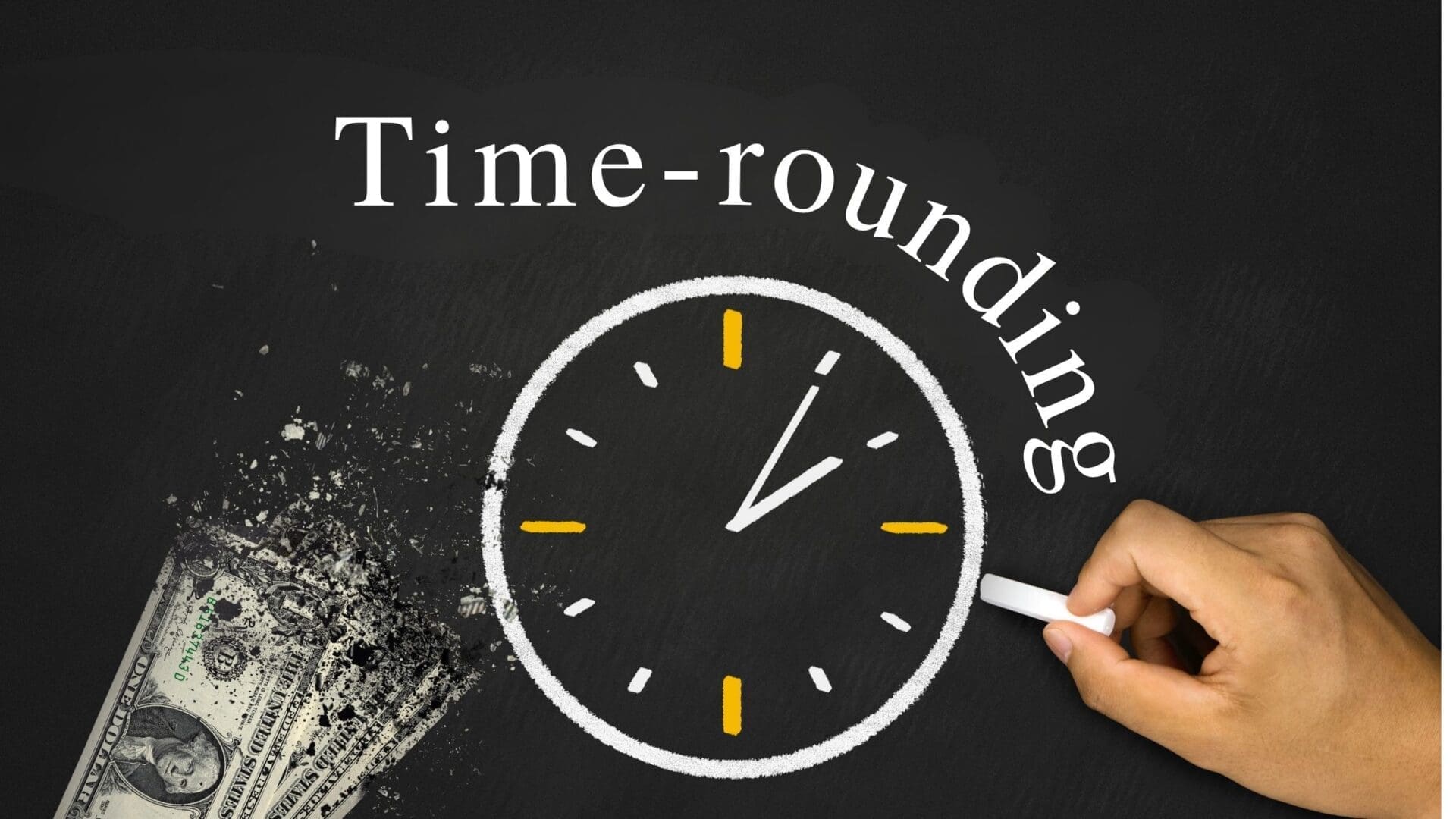
Under this rule, the “workday” is defined as the period between the commencement and cessation of an employee’s principal activities. Once an employee performs their very first principal activity of the day, the clock starts running continuously. Any subsequent travel or waiting time that occurs *during* the shift—such as driving between different job sites—is fully compensable, regardless of whether it involves direct production.
The Portal-to-Portal Act explicitly relieves employers from liability under the FLSA for failing to pay minimum wage or overtime for traveling to and from the actual place of performance of the principal activity, and for activities which are preliminary or postliminary to said principal activity.
However, if these tasks are rendered compensable by an express provision of a written contract or an established workplace custom, the employer remains legally obligated to pay for that time.
Modern Applications: Technology and Security Checks
While the Act was written in 1947 to address coal miners and factory workers, it remains highly relevant in the modern tech and service-driven economy. Modern courts frequently lean on the Portal-to-Portal Act to settle disputes regarding digital and security-related tasks.
In the landmark 2014 Supreme Court case Integrity Staffing Solutions, Inc. v. Busk, warehouse workers argued they should be paid for the 25 minutes they spent waiting in security lines at the end of every shift to prevent employee theft. The Court ruled against the workers, stating that the anti-theft screenings were postliminary activities and not “integral and indispensable” to their principal job of packing and shipping inventory.
Conversely, IT professionals or call center workers who must boot up complex computer systems, log into secure networks, and open proprietary software applications before they can take their first call are often entitled to compensation for that startup time. Because they cannot perform their principal duties without those digital steps, that time is considered integral to the job.
What Workers and Employers Should Look For
Wage and hour violations tied to the Portal-to-Portal Act are common, particularly in industries that require specialized gear, off-site travel, or complex pre-shift setup. Workers should carefully examine their daily schedules to identify potential underpayment:
- Are you required to arrive 15 minutes before your shift to load equipment into a company truck, but your paid time only begins when you arrive at the job site?
- Do you have to boot up computer programs or read daily briefing logs before you are allowed to clock in?
- Are you required to stay late to clean and sanitize specialized machinery after your shift has officially ended?
If the answer to these questions is yes, your employer may be violating the FLSA by failing to count integral prep or cleanup work as compensable time. Like standard FLSA claims, workers can seek back wages for these violations going back two years, or three years if the violation is proven to be willful.