Unpaid Wages for Mine Workers: What Federal Law Requires
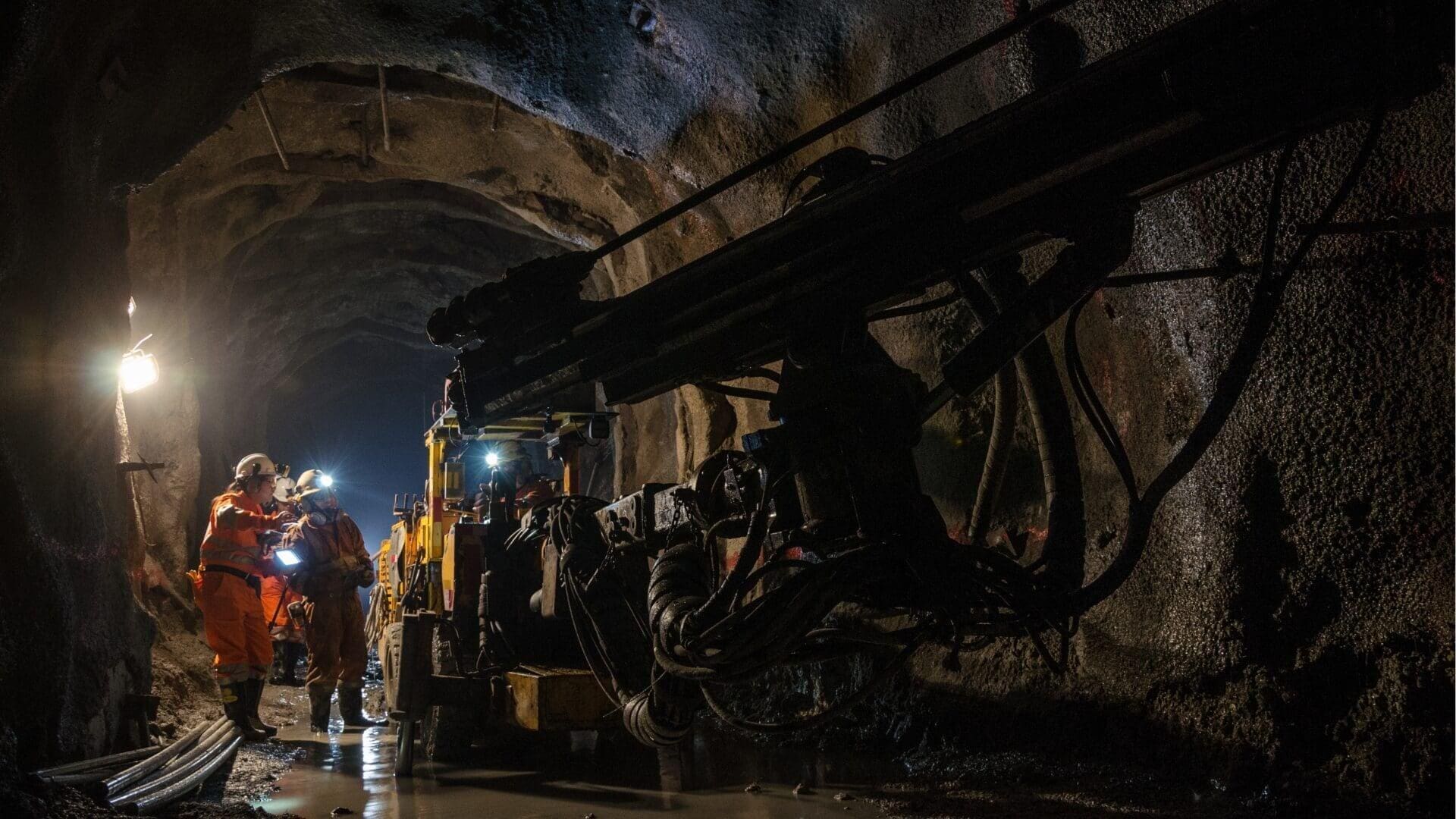
Mining employers routinely undercount hours worked. Travel time underground, time spent putting on required safety equipment, required pre-shift briefings, and equipment inspections are all potential paid work time under federal law. When these hours are not counted, the result is unpaid wages and underpaid overtime every single week.
Key Takeaways
- Mine workers are covered by the FLSA. All hours worked must be paid, including time many employers do not count.
- Underground travel from the mine portal to the work face may be paid work time, depending on the employer’s contract, custom, or practice.
- Putting on required safety equipment at the mine site is the start of the workday. All time that follows should count as hours worked.
- Required safety briefings, equipment checks, and other pre-shift tasks required by the employer are paid work time.
- Day rate mine workers are entitled to overtime. A flat daily rate does not remove that right under federal law.
The FLSA and Mine Workers
Mine workers are covered by the Fair Labor Standards Act. Minimum wage applies to every hour worked. Overtime at 1.5 times the regular rate applies to every hour past 40 in a workweek. No company policy or pay arrangement removes those rights for a non-exempt worker.
In mining, the challenge is usually not the rate itself. It is which hours get counted. Miners spend significant time before and after production work. Travel underground, safety procedures, equipment handling: all of these happen before and after the shift, and employers frequently leave them out. When those hours are excluded, workers are underpaid on wages and on overtime.
Portal-to-Portal Travel 29 CFR 790.5
The Portal-to-Portal Act of 1947 changed how travel time is treated under the FLSA. For underground miners, it addressed travel between the mine portal and the working face.
That travel is not on its own paid under federal law. But there is an important exception. If a contract, custom, or practice at your mine calls for paying that travel time, then it must be counted as hours worked. Many mines have exactly that kind of practice in place.
If there is a contract or a workplace practice providing payment for travel between the portal and the working face, the employer must count that time as hours worked under the FLSA.
That time then counts toward the 40-hour weekly overtime threshold. If your employer has such a practice but is not counting that travel in your hours, you may be owed back pay and overtime.
Even without a written contract, there is a second argument. Once a worker puts on required safety equipment at the mine site, the workday has started. All travel that follows is part of the working day. If your employer clocks you in at the work face instead of when you begin suiting up at the mine entrance, the gap between those two points may be unpaid time.
Donning and Doffing Safety Equipment
Miners must put on significant safety gear before entering the mine. Hard hats, cap lamps, self-rescuers, steel-toed boots, and reflective vests are all required before work can begin. This is not optional. It is required by the employer and often by federal MSHA rules. Putting on that gear is a work activity, not a pre-work activity.
The Supreme Court addressed this in IBP, Inc. v. Alvarez (2005). When an employee puts on required safety gear as the first task of the day, all time spent walking to the work area after that is paid work time. Suiting up starts the clock. Removing the gear at the end of the shift stops it.
If your time records show a start time at the work face but your day actually began earlier at the gear room or mine entrance, those missing minutes are potential unpaid wages. Over a year of full-time shifts, that adds up.
Pre-Shift Activities
Many mines require workers to attend safety briefings before going underground. These are not optional. They are required, they relate directly to the job, and they should be paid. The FLSA rule is clear: if your employer requires you to be somewhere and do something, that time is work time.
Equipment checks fall under the same rule. If you are required to test your cap lamp, inspect your self-rescuer, or check other gear before your shift, that time must be counted. MSHA safety rules that mandate pre-shift checks create paid time duties under the FLSA.
What to look for on your time records: Your recorded start time should reflect when you began your pre-shift tasks, not when you reached the production area. If your records show a later start than your actual first required activity of the day, that gap may represent unpaid hours.
Day Rate Workers
Many mine workers are paid a flat day rate. A fixed daily amount, regardless of hours worked. This does not remove the right to overtime. Day rate workers are still entitled to overtime under the FLSA for hours past 40 in a workweek.
Here is how the math works. The employer divides total week’s earnings by total hours worked to get the regular rate. Overtime is then owed at 0.5 times that rate for every hour past 40. The straight-time day rate already paid covers those hours. The employer owes the extra half-time premium on top.
Many mining employers pay the flat day rate for all hours, including overtime hours, with no extra premium at all. That shortfall is unpaid overtime. If you also receive per diems or cash allowances, those may factor into your regular rate as well, which would raise what your overtime rate should be.
What to Do
Start by mapping out your actual daily routine. What time do you arrive at the mine site? When do you begin putting on gear? When does the safety briefing start? When do you reach the work area? Compare those times to what your paycheck reflects.
Write down what a normal shift looks like. Your own notes matter. Your employer is required by law to keep accurate time and pay records. If those records are wrong or missing, the law puts the burden on the employer, not on you.
The deadline to recover unpaid wages under the FLSA is two years. It extends to three years when the employer’s violation was willful. Every week of underpayment has its own clock. The sooner you act, the more of your unpaid wages remain within reach.